
Talk Directly to the Pitcher: The 2027 NFHS Softball Communication Rule
Starting in 2027, high school softball coaches can use one-way electronic communication with both the pitcher and catcher. Here's what's legal, what's not, and how to get your team ready.
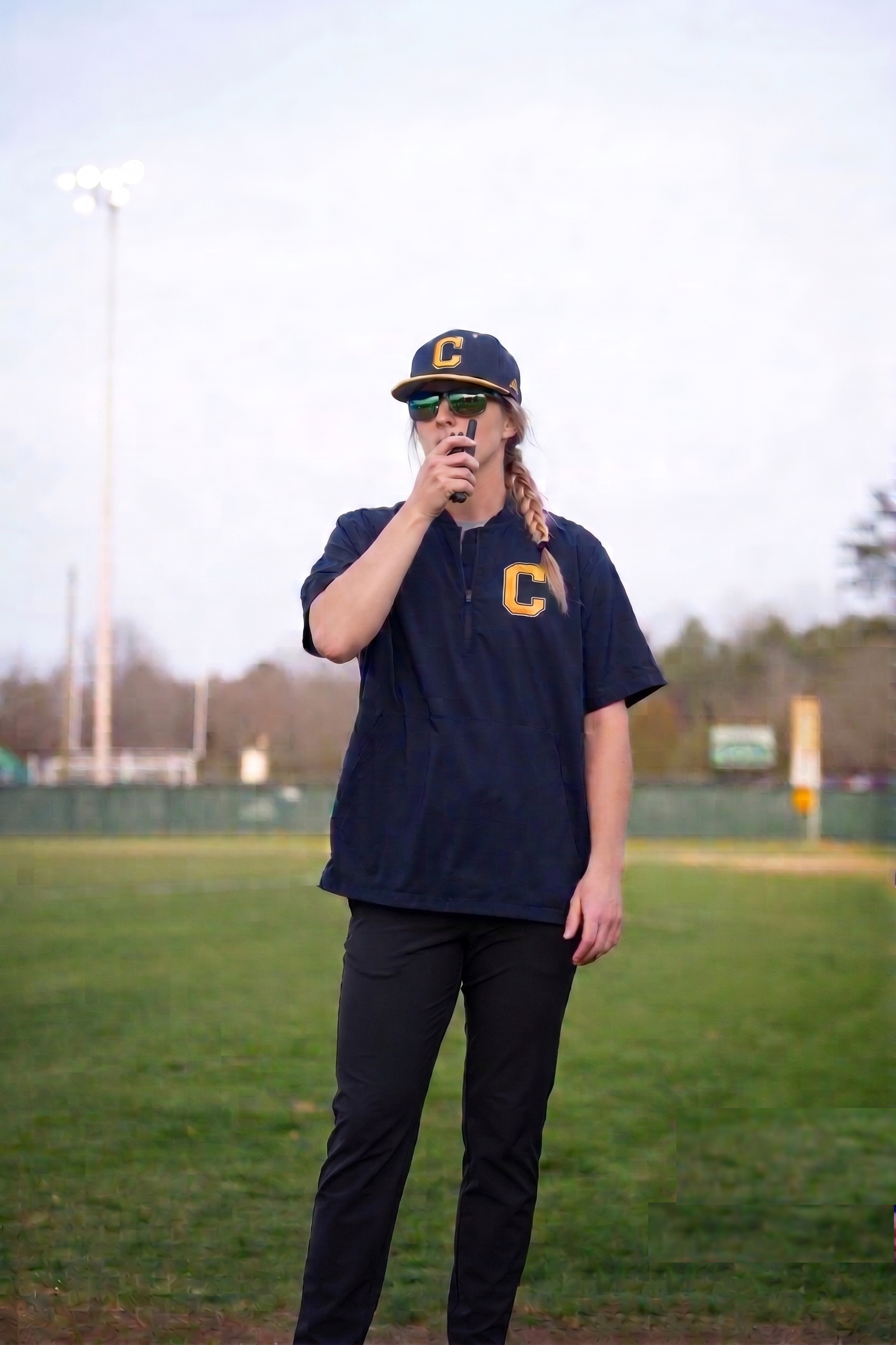
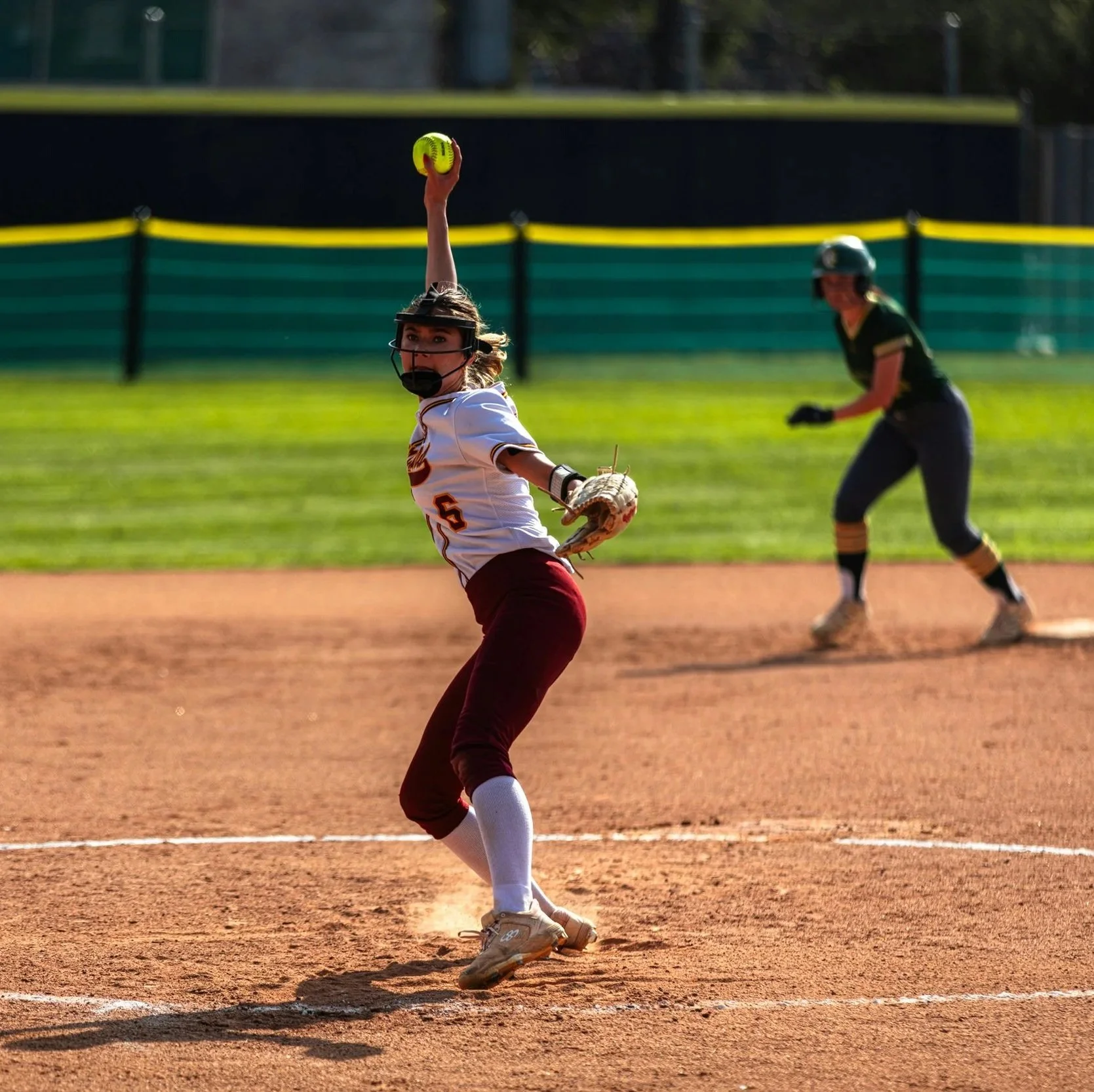
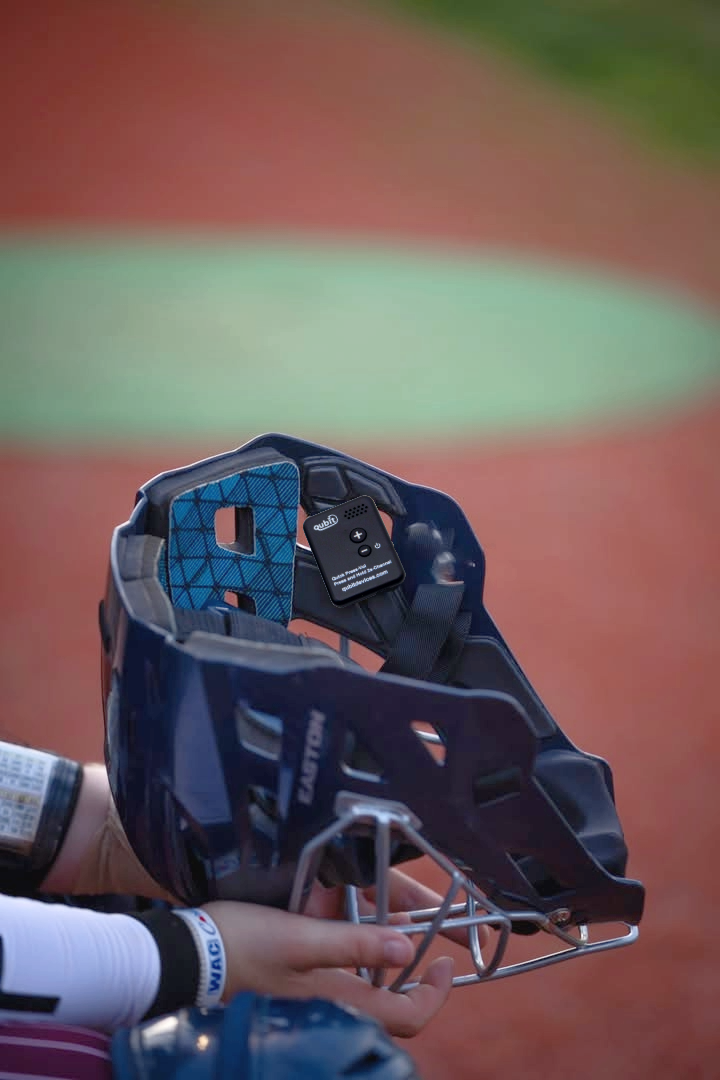
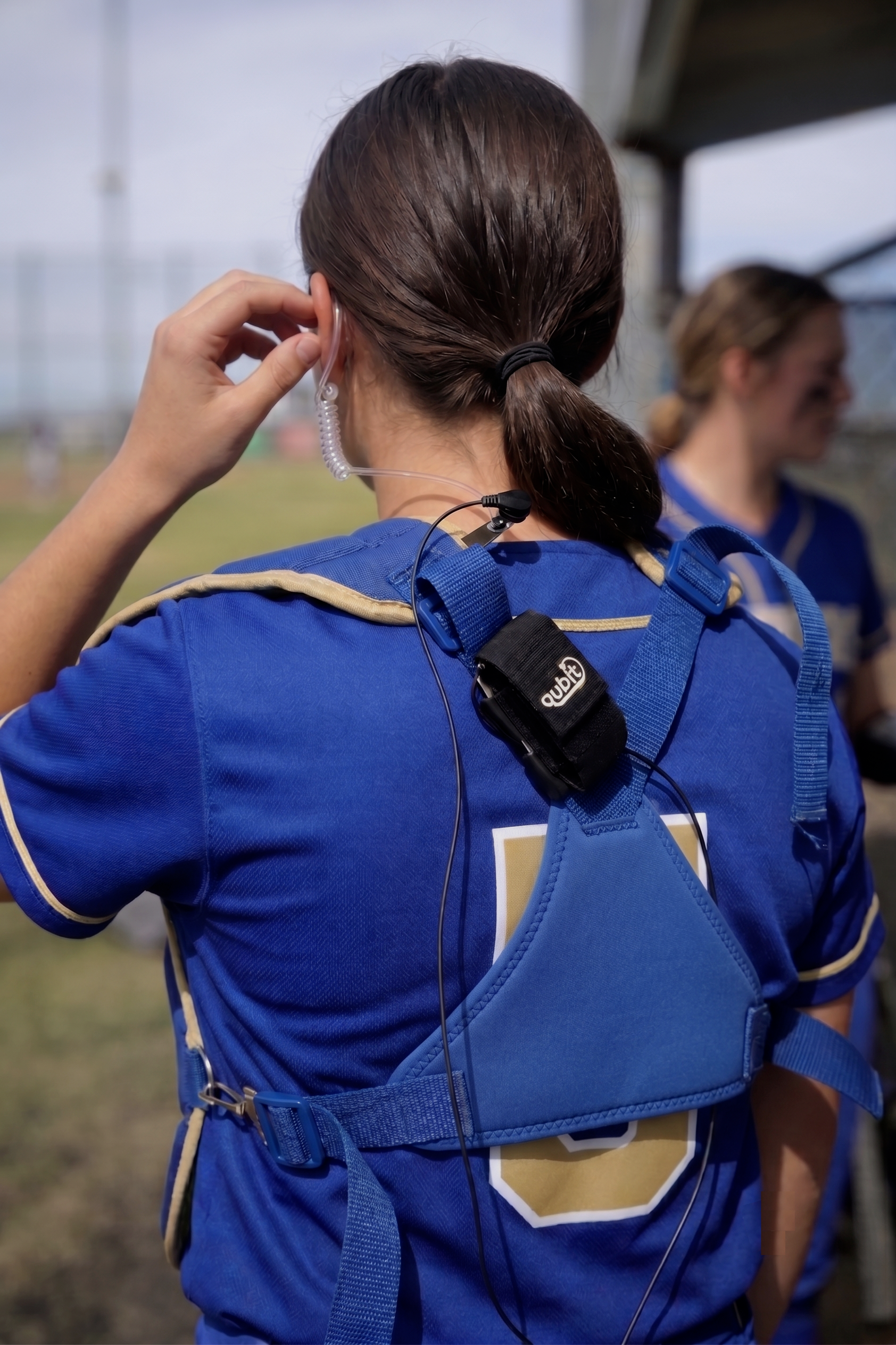
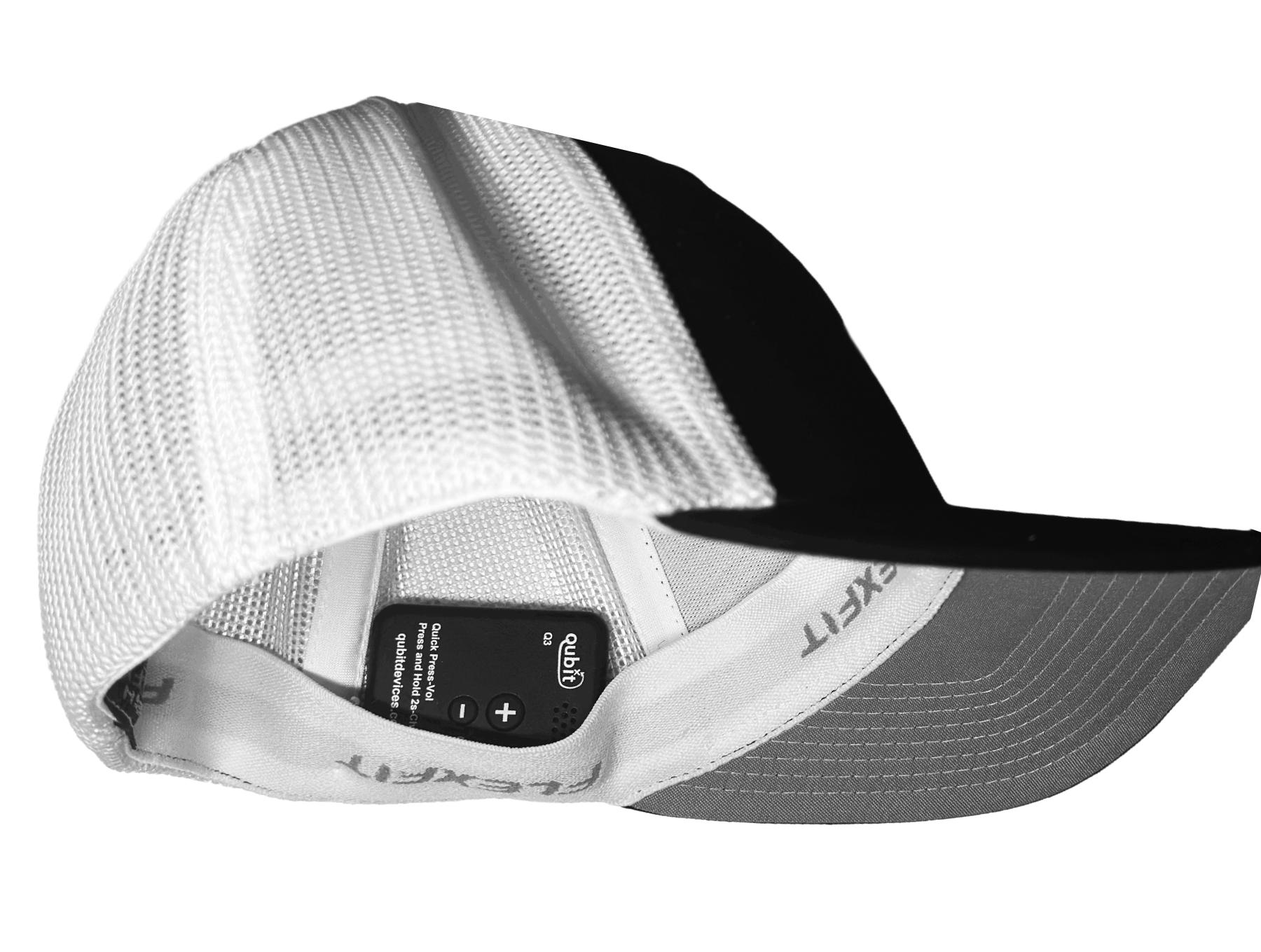
Big news for fastpitch coaches: the NFHS has approved a rule change that, beginning with the 2027 season, allows high school softball coaches to use one-way electronic communication devices to talk to both the pitcher and the catcher while their team is on defense.
If that sounds familiar, it should. In 2025, the NFHS opened the door by permitting one-way communication from the dugout to the catcher. The 2027 update (Rule 1-9-6 EXCEPTION) extends that same permission to the pitcher.
Here's everything you need to know about the new rule, how it compares to the rules at other levels of play, and how to decide whether a pitch calling system is right for your program.
What exactly does the new rule allow?
Under the updated 2027 NFHS softball rules taking effect, a coach may use an electronic device for one-way communication from the dugout to the pitcher and the catcher while the team is on defense. The NFHS's rationale is that the change "reflects the continued evolution of technology within the sport" and gives coaches an efficient way to communicate defensive strategy and game management.
In practical terms, that means:
Your catcher can wear an earpiece or receiver and hear your pitch calls directly — no more wristband cards, flashed signs, or sign sequences that runners on second can decode.
Your pitcher can now wear one too. You can deliver the pitch call or remind her of the scouting report on the batter — all without burning a mound visit.
Communication is one-way only. Players cannot use the device to respond to the coaching staff. A device that's capable of two-way communication (like a smartwatch) is fine, as long as it's only used to receive.
What's still against the rules?
The rule comes with clear boundaries:
No communication to other defenders. The rule covers the pitcher and catcher only — you can't wire up your shortstop.
Nothing on offense. Devices can't be used to communicate with batters or baserunners.
The coach must stay in the dugout while using the device.
No two-way traffic. If your player talks back through the device, you're in violation.
Penalties follow the existing bench and field conduct framework: umpires can issue a warning for a minor first offense, with ejection for repeat or serious violations.
One more important note: this is a permissive rule, not a mandate. Teams that prefer traditional signs or wristband playcards can keep using them. But once your opponents are calling pitches instantly and privately, "traditional" starts to feel a lot like "slower and easier to steal."
Communication rules by level of play (2026–27)
NFHS high school (2025–26 seasons): One-way communication from dugout to the catcher only, on defense.
NFHS high school (starting 2027): One-way communication from dugout to the pitcher and catcher, on defense.
NCAA softball: One-way electronic communication permitted in the dugout with the catcher while on defense; check your conference's current policies for device specifics.
Travel ball / tournaments (PGF, USA Softball, etc): Varies by sanctioning body and event — always confirm with the league or tournament director.
Because rules differ across governing bodies and can change year to year, the safest move is a system that works flexibly — earpiece for the catcher where it's allowed, and easy to add a pitcher receiver as your league adopts the new rule.
Why coaches are adopting pitch calling systems
1. It kills sign stealing
The moment a runner reaches second base, your signs are under surveillance. Encrypted one-way communication means your pitch call travels from you to your battery’s ears — and nowhere else.
2. It speeds up the game
No more cycling through decoy signs or having your catcher stare into the dugout between every pitch. Instant calls keep your pitcher in rhythm and games on schedule — one of the main reasons the NFHS cited "game management" in its rationale.
3. It's a teaching tool, not a crutch
Direct communication lets you narrate the why behind each call in real time: "Rise ball up — she's been chasing high all day." Over a season, your pitcher and catcher absorb game-calling logic instead of just executing signals. Many coaches gradually hand pitch calling back to the battery as they develop.
4. It protects your pitcher's confidence
A quick "shake it off, attack the next one" after a home run — delivered privately, without a mound visit that broadcasts concern to the whole park — can be the difference between one bad pitch and a bad inning.
How a one-way pitch calling system works
A typical setup is simple:
The coach carries a transmitter in the dugout.
The catcher and pitcher each wear a small receiver — usually an earpiece or speaker secured under the helmet or hat.
The coach speaks or selects a call, and it's delivered instantly and privately over an encrypted channel.
Setup takes minutes, and there's no learning curve for players — if they can hear, they can use it.
Getting your program ready for 2027
This fall/winter: Budget for a system and get familiar with your state association's implementation notes (state adoptions of NFHS rules can vary).
Preseason: Practice with the devices in scrimmages so your battery is comfortable with the cadence before it counts.
2027 season: Call pitches to both your pitcher and catcher legally from day one.
Programs that waited until midseason 2025 to adopt catcher communication spent weeks playing catch-up. With the pitcher rule arriving in 2027, the teams that prepare now will have the advantage on opening day.
Frequently asked questions
Can softball coaches talk to the pitcher during games? Starting in 2027, yes — NFHS rules allow one-way electronic communication from the dugout to both the pitcher and the catcher while the team is on defense. Through the 2026 season, high school rules permit communication to the catcher only.
Does the pitcher or catcher have to wear the device? No. The rule is permissive. Teams can use the technology with the catcher, the pitcher, both, or neither.
Can the players talk back to the coach? No. Communication must be one-way. Devices capable of two-way communication are allowed only if players never use them to respond.
Can the coach use the device from the third-base coaching box? No. The coach must be in the dugout/bench area when using the device.
Is this legal in college softball? NCAA softball permits one-way electronic communication with the catcher in the dugout while on defense, but device rules can vary by conference — verify before your season.
What happens if a team violates the rule? Umpires may issue a warning for a minor offense and eject for repeated or serious violations, consistent with NFHS bench and field conduct rules.
Where to get pitch communication systems
Ready to call pitches the modern way? Qubit's one-way communication system delivers your calls instantly and privately to your pitcher and catcher — legal for NFHS play and built for the dugout. [Shop pitch calling systems → https://www.qubitdevices.com/shop/baseball-softball]
More than 250 colleges and 3,000 high schools currently use Qubit devices in softball games. Programs like Vanderbilt, Missouri, and Columbia have adopted the system for game use. If you're evaluating options, Qubit's Bluetooth Starter Pack, Radio Starter Pack (Wired Earpiece), and Radio Starter Pack (Wireless Speaker) are an excellent starting point for any program. Add on a Bluetooth EQ4 or Radio BQ3 for the pitcher, and you’re good to go.