
What to Look for in a Pitch Calling System
Wireless pitch communication has moved from the majors to high school fields fast. But not every pitch calling system is built the same.
Here's what actually matters when evaluating one for your program.

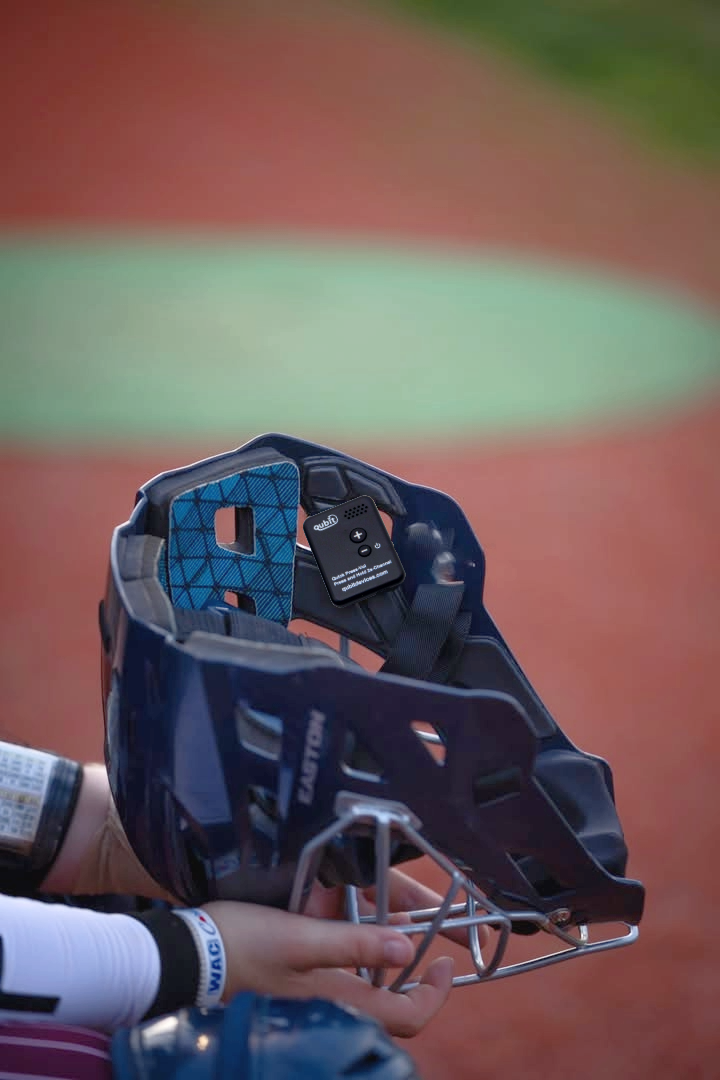
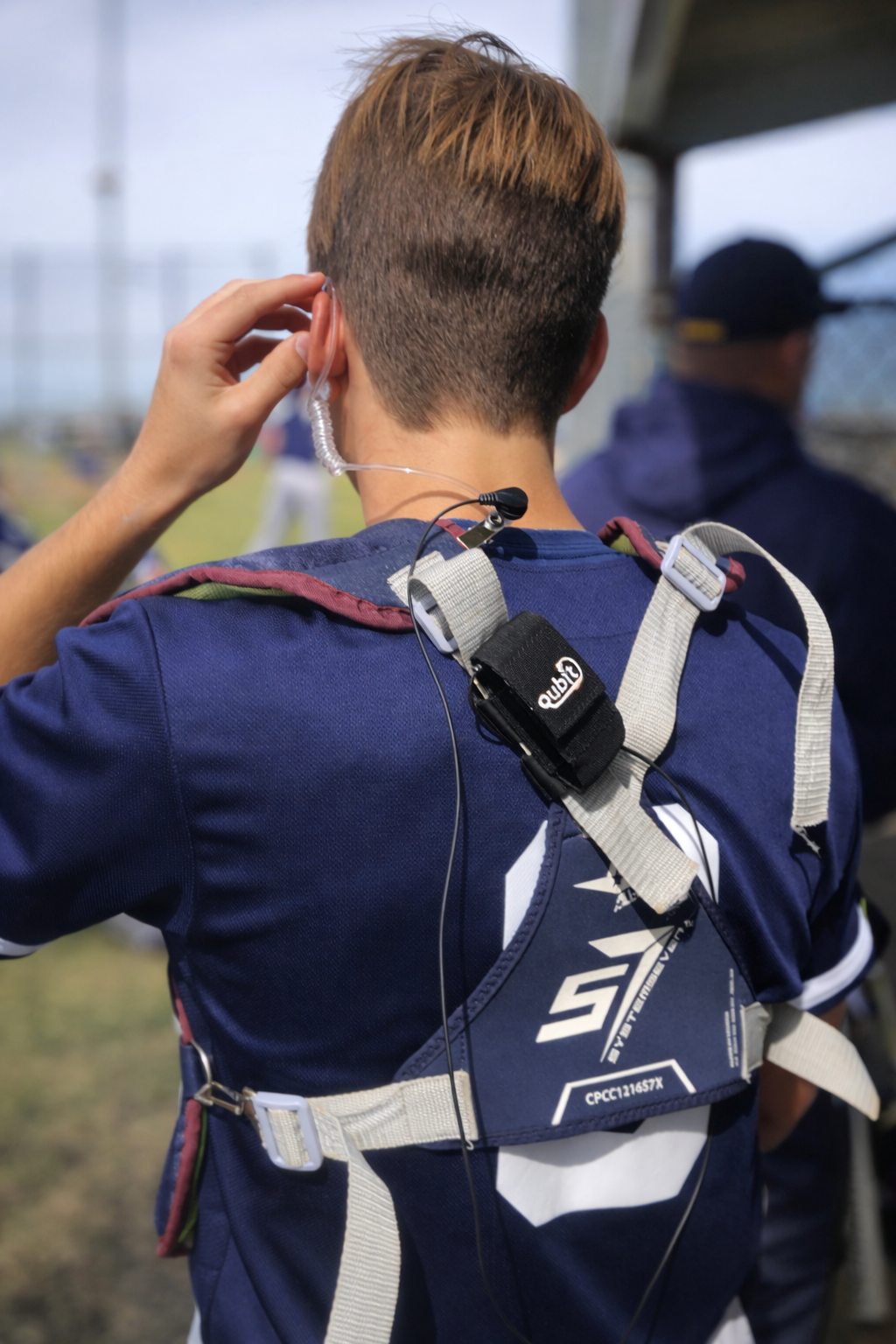
Electronic pitch calling systems have changed how coaches and catchers communicate. They eliminate sign-stealing risk, reduce mound visits, and speed up the game. But as more options hit the market, the choice isn't as simple as picking the one with the most features. The right system depends on your level of play, your budget, and how your staff communicates.
Here are the key factors to evaluate before you buy.
League compliance
This is non-negotiable. Any system you use must be approved for your level — NFHS, the NCAA, your state athletic association, and your league. Most governing bodies require one-way communication only (coach to player, no player response). Many states even allow coach-to-pitcher communication. Ohio, North Carolina, Nebraska, Missouri, and Iowa are experimenting with and currently permit coach-to-pitcher communication for 2026 usage.
Ease of use under pressure
A system that's confusing mid-inning is worse than no system at all. Look for minimal setup time and the ability to change your call on the fly. With secure radio and audio-based systems, you don’t need to worry about sending the wrong text message or forgetting to upload a pitch in the app ahead of time. If your team can’t stock multiple backup devices, you’ll want one that can swap easily between players.
Range and reliability
Remote fields and long distances can limit the performance of some pitch calling systems. To ensure you never have to worry about cell service, Bluetooth disconnection, or a lack of Wi-Fi signal, choose a secure radio-based system. Radio also transmits your voice instantly — no lag between the call and the catcher or pitcher hearing it.
What else to look for
Battery life that lasts more than a full game, and can be charged in minutes for double headers
Scalability — can you add units for JV, a second catcher, or defensive players when rules change?
Same-day customer support and replacements quickly being shipped out
Transparent pricing — no lease-only or subscription traps
The best pitch calling system is the one coaches, catchers, and pitchers can trust in a 3-2 count with the game on the line. Prioritize reliability, simplicity, and security over feature lists.
More than 250 colleges in the NCAA and NAIA currently use Qubit devices across baseball and softball. Programs like Vanderbilt, Missouri, and Columbia have adopted the system for game use. If you're evaluating options, Qubit's [BC3 + BB2] and [BC3 + BQ3] combinations are an excellent starting point for any program.